Agentic Designer: Progressive Multi-Agent Collaboration for Structure-Aware Interior Layout Generation
Zhijing Yang1,†,
Haocheng Lin1,†,
Zhihua Xu2,†,
Haojie Li3,
Keze Wang2,
Liang Lin2,
Tianshui Chen1,
1Guangdong University of Technology,
2Sun Yat-sen University,
3South China University of Technology
† Equal contribution. * Corresponding author.
Abstract
Generating realistic interior furniture layouts that strictly adhere to architectural constraints (e.g., walls, doors, and windows) remains a fundamental challenge in automated spatial design. Existing approaches, primarily based on one-shot generation using diffusion models or Large Language Models (LLMs), lack explicit mechanisms for intermediate geometric constraint verification, often resulting in structural collisions and functionally infeasible arrangements under complex room constraints. To address these challenges, we propose Agentic Designer, a progressive, multi-agent framework that formulates structure-aware interior layout generation as an iterative and constraint-verified decision process. By decomposing layout synthesis into modular stages of proposal, verification, and adjustment, the framework coordinates three specialized agents, a Generator, an Evaluator, and a Refiner, through a Progressive Consensus Mechanism. This mechanism enforces stepwise geometric validation and correction before each placement is committed, thereby preventing error accumulation. To facilitate this structure-aware paradigm and standardize evaluation, we establish InStruct, a comprehensive benchmark that integrates a dataset comprising over 18,000 high-quality, parametrically annotated samples with a novel suite of structure-centric metrics. Extensive quantitative evaluations, qualitative analyses, and user studies show that Agentic Designer significantly outperforms state-of-the-art methods, demonstrating substantial improvements in strict structural adherence and functional design coherence.
Agentic Designer Framework
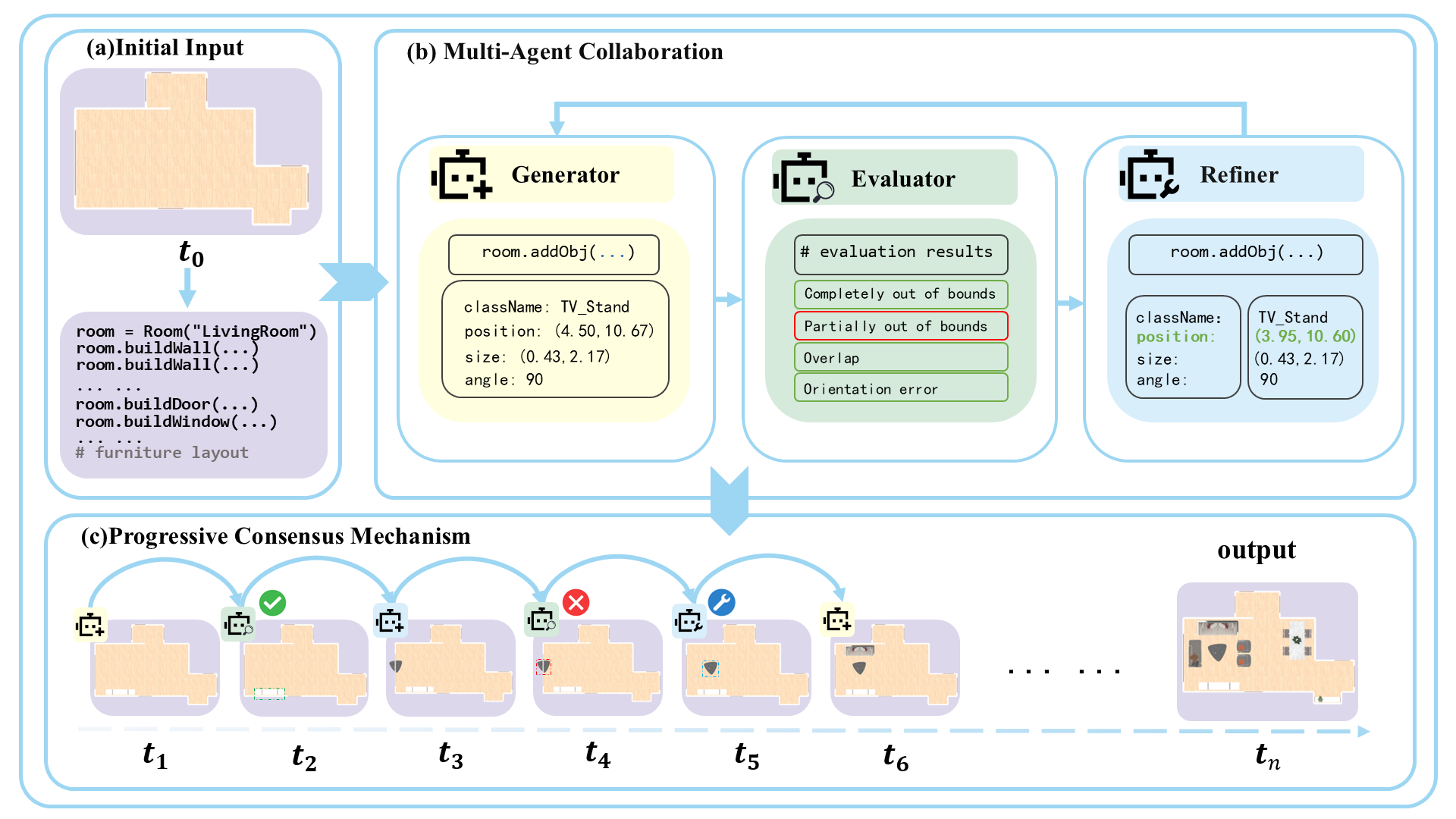
Framework overview of the proposed Agentic Designer.(a) Initial Input: The architectural structure is converted into a program-like representation that encodes walls, doors, and windows as the structural context.(b) Multi-Agent Collaboration: The layout is iteratively constructed by three collaborative agents. The Generator proposes candidate furniture objects, the Evaluator diagnoses geometric violations (e.g., boundary intrusion, collisions, orientation errors), and the Refiner performs targeted corrections to restore validity while preserving design intent.(c) Progressive Consensus Mechanism: Through step-wise proposal, verification, and refinement, the agents progressively converge toward a globally consistent and collision-free layout. The process repeats until the Generator outputs the termination instance.
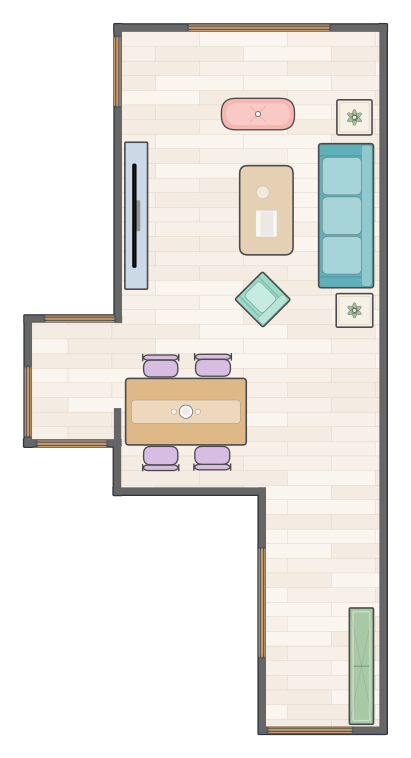
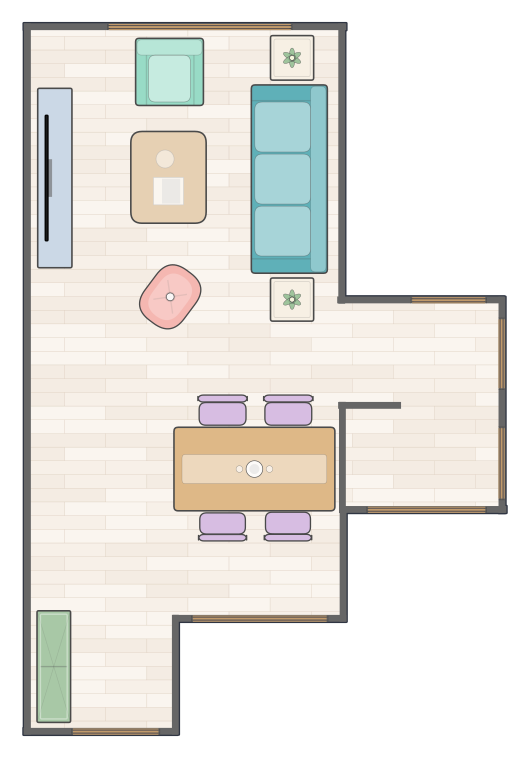
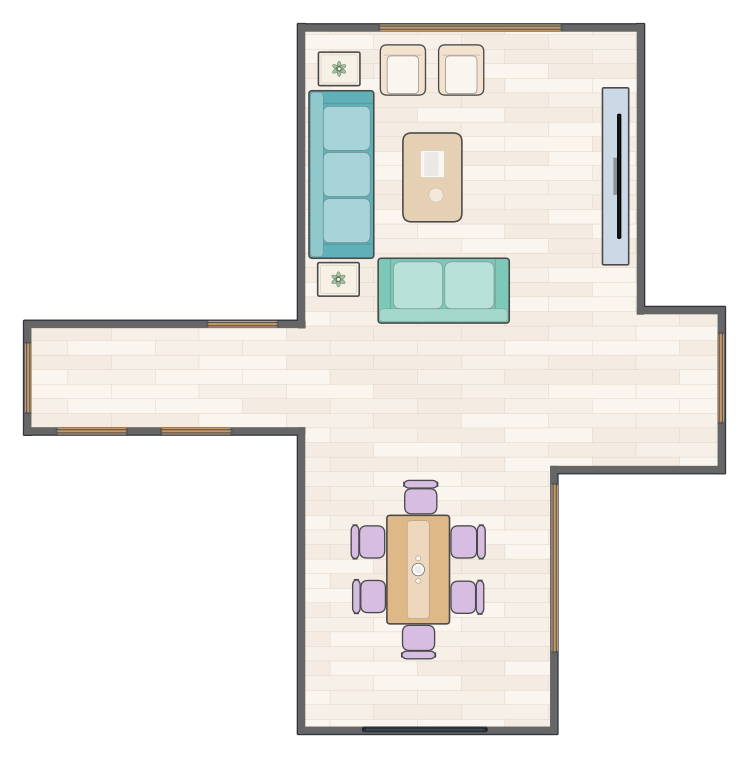
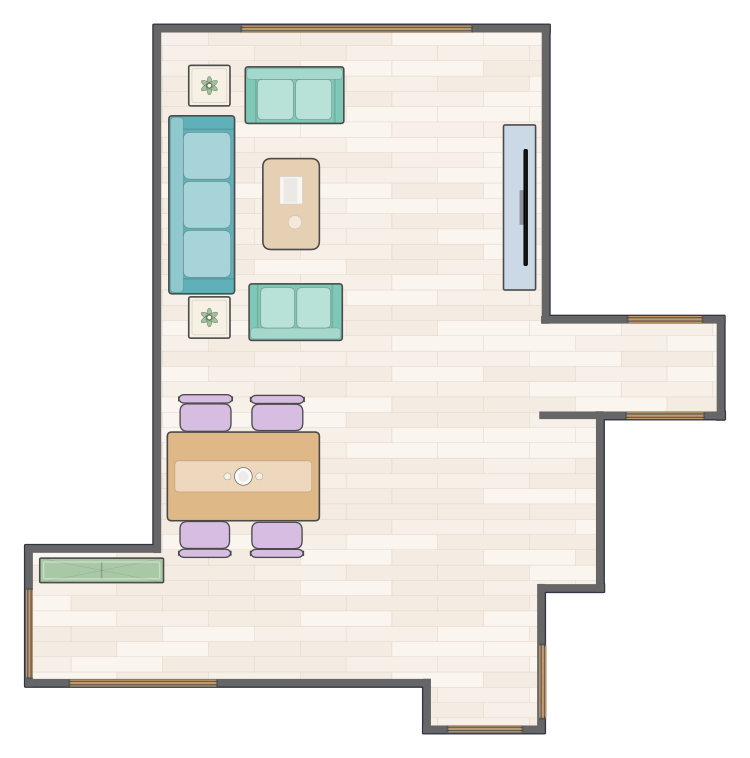
Generated Samples
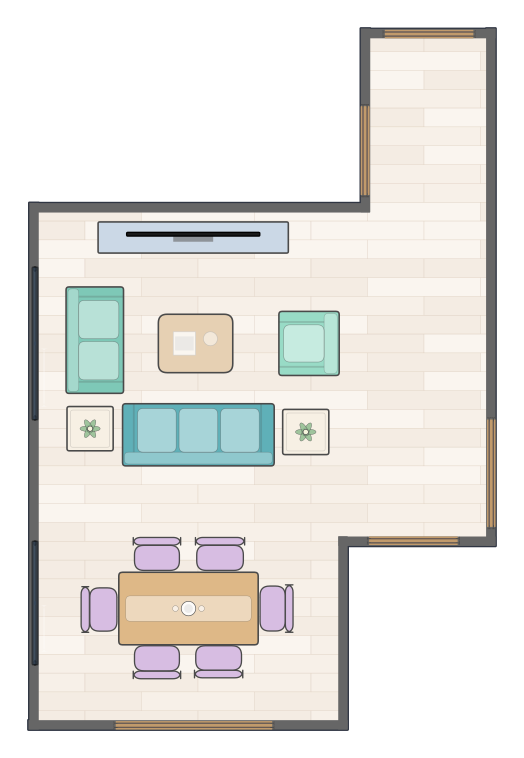
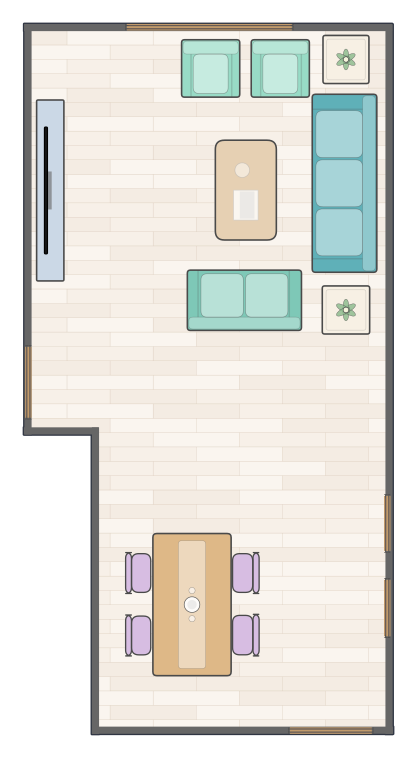
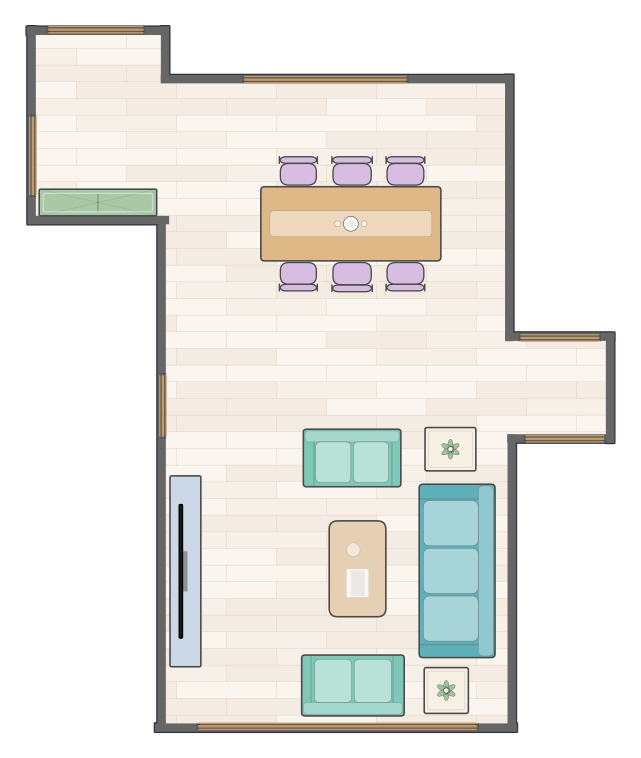
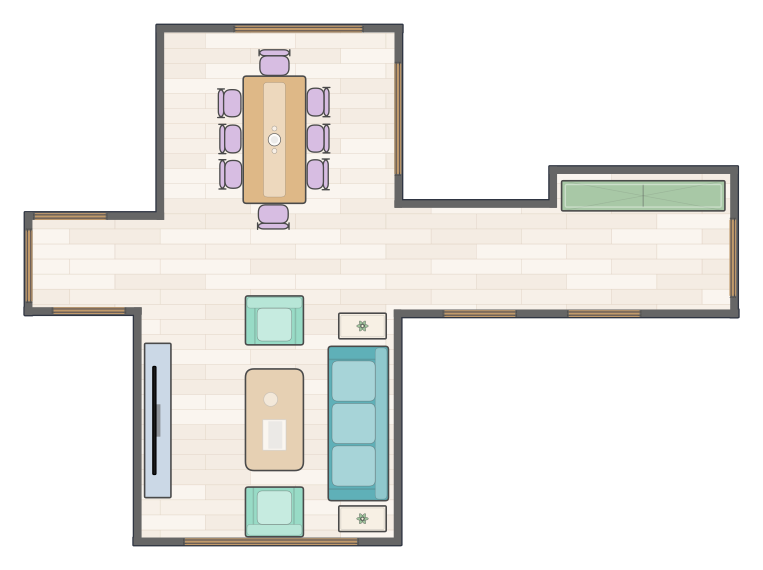
Living Room
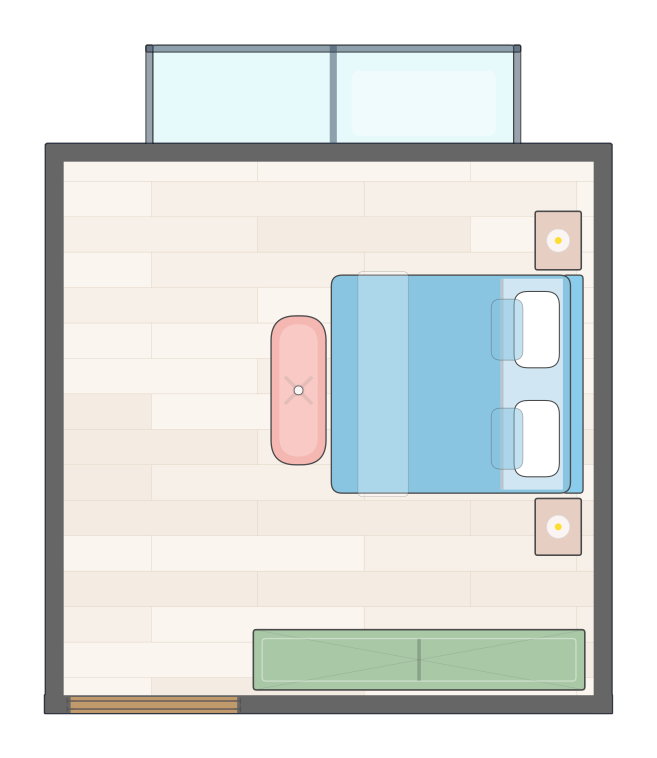
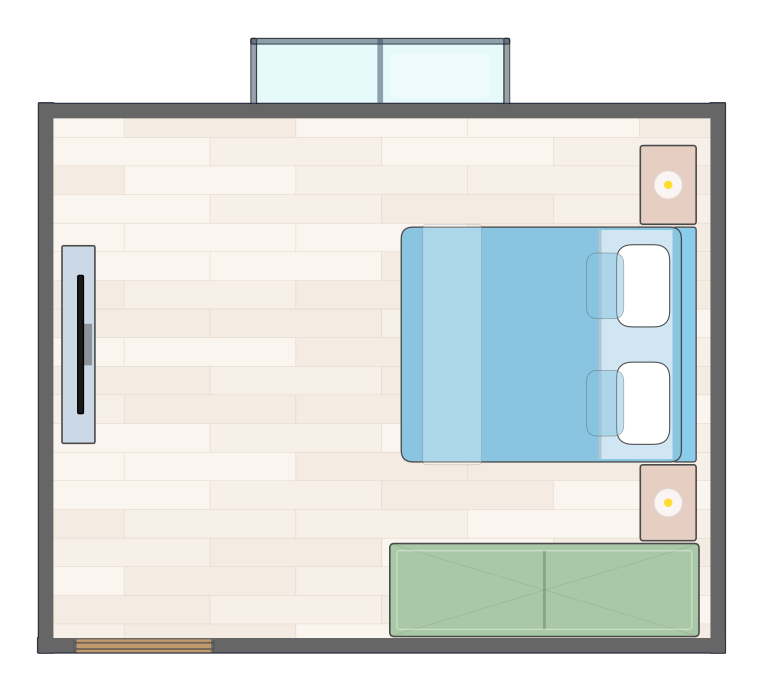
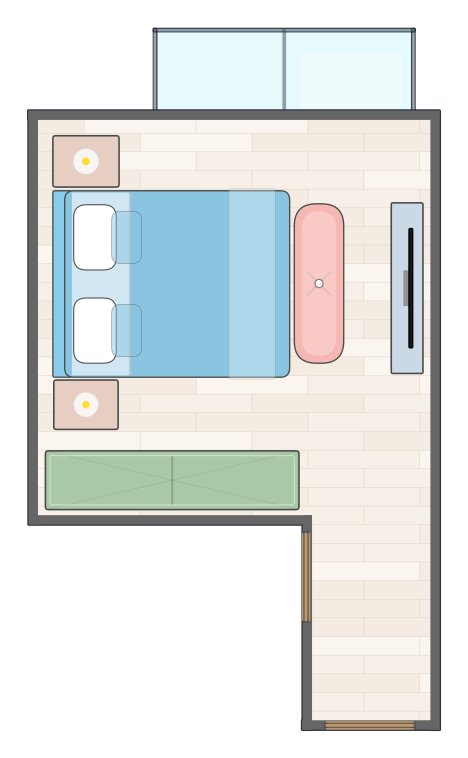
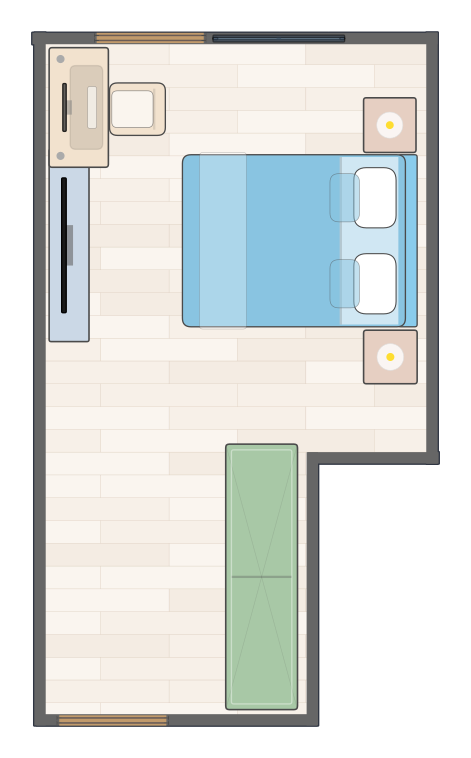
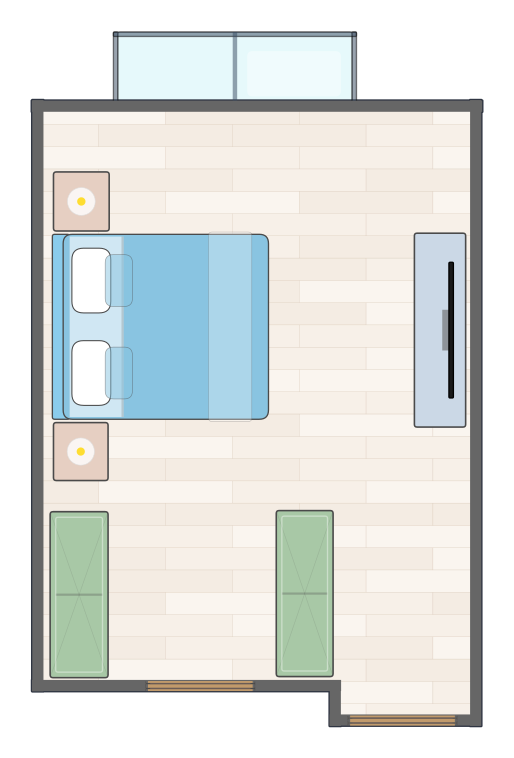
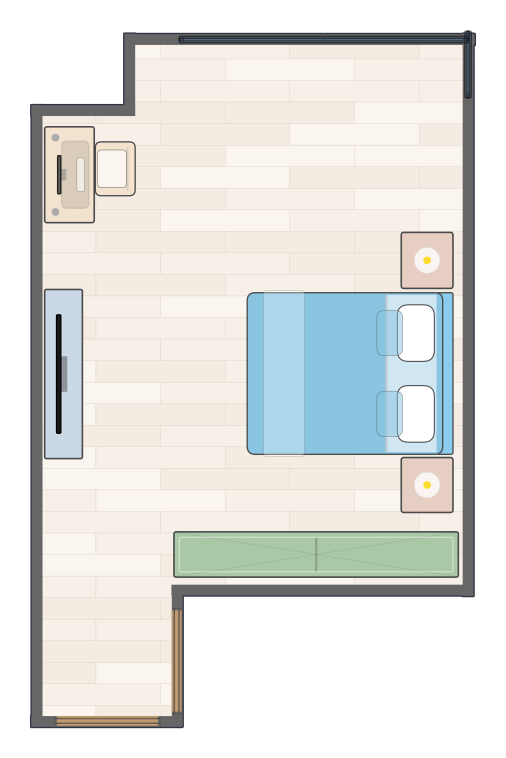
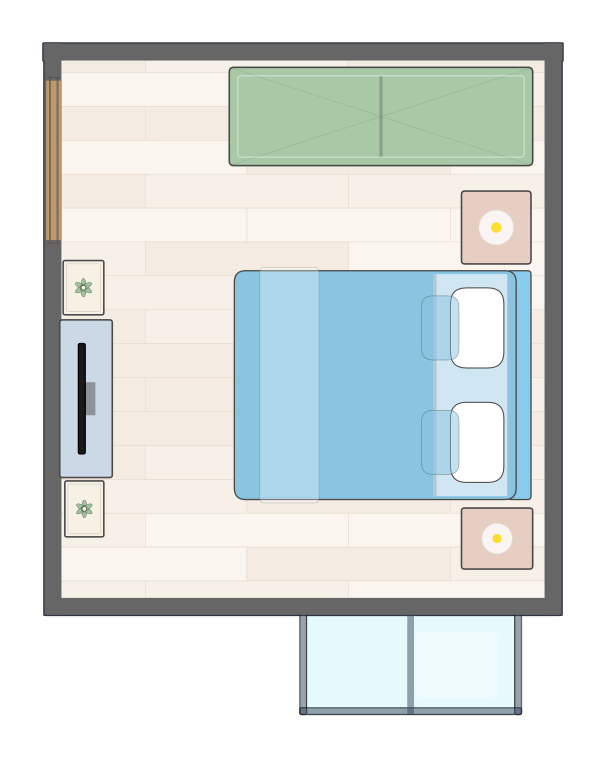
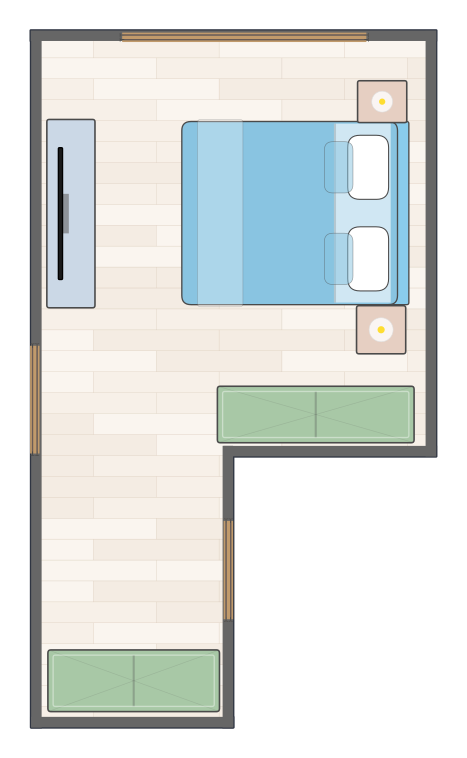
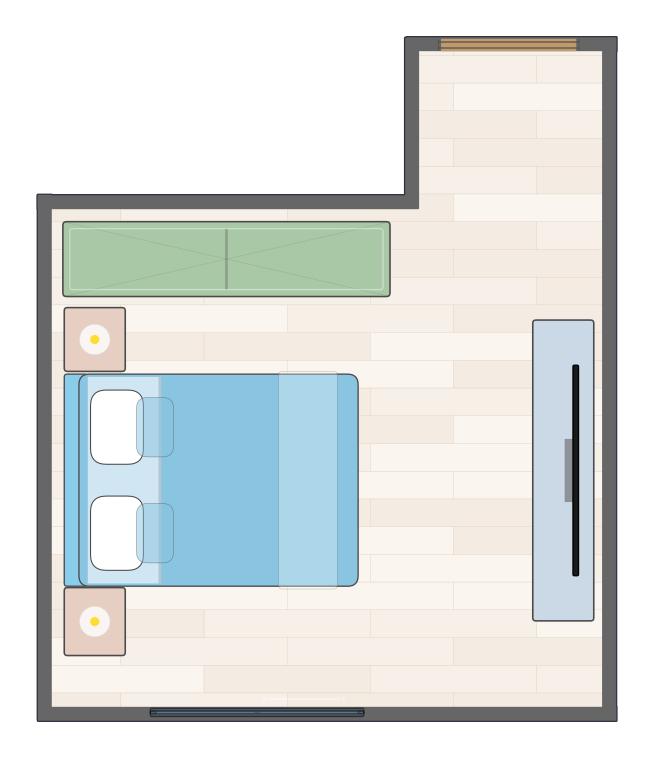
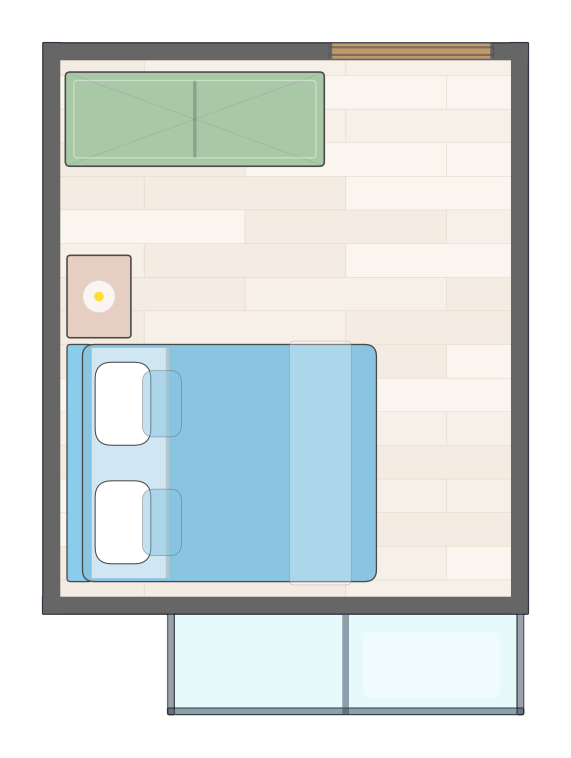
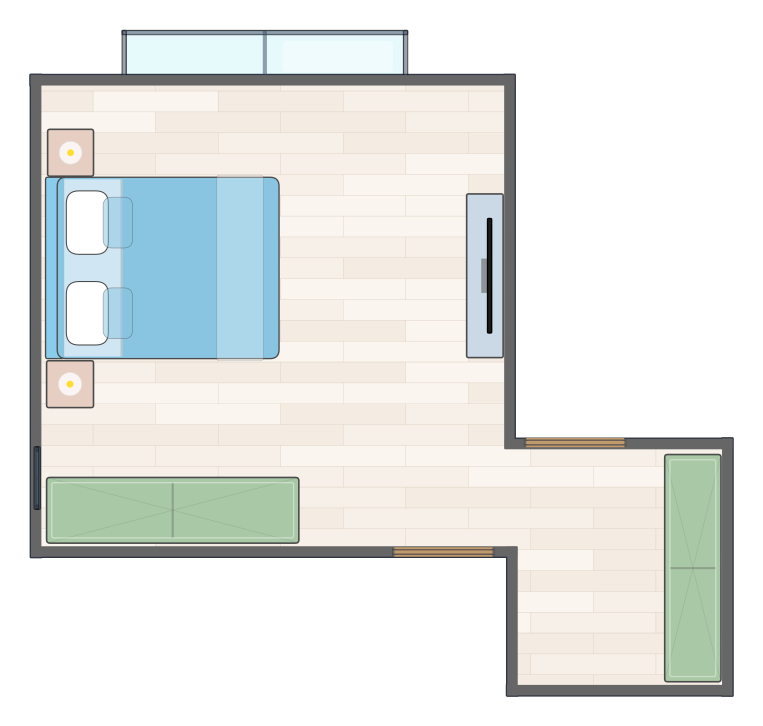
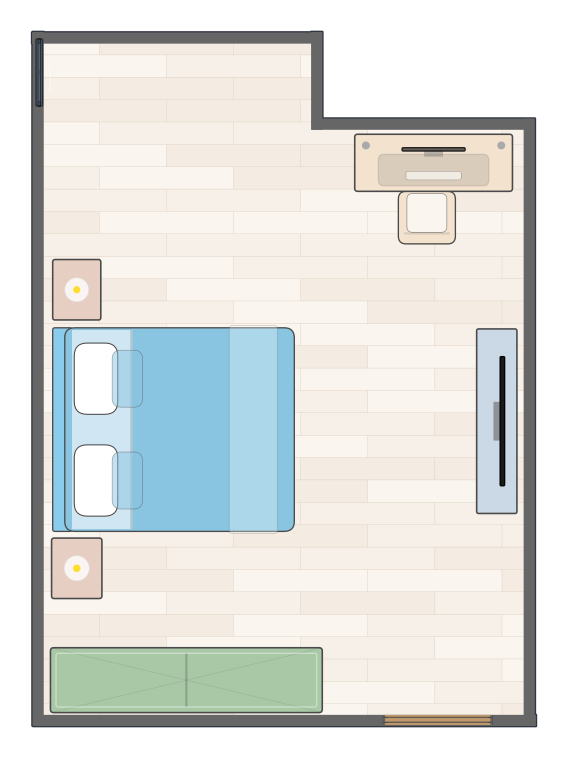
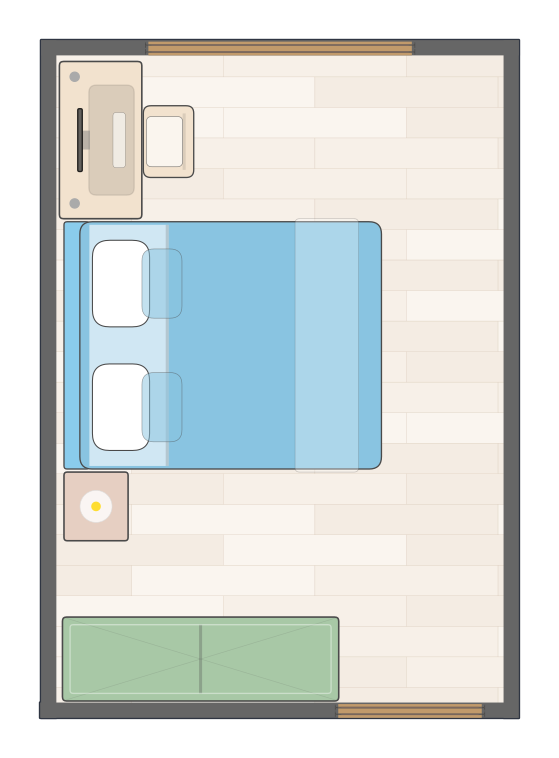
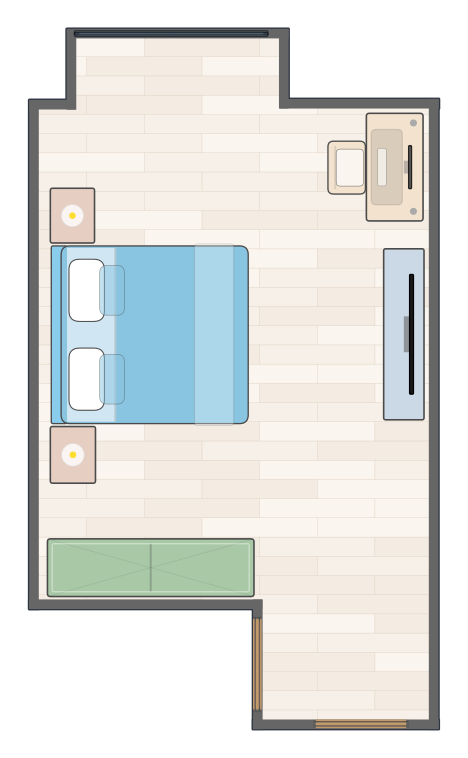
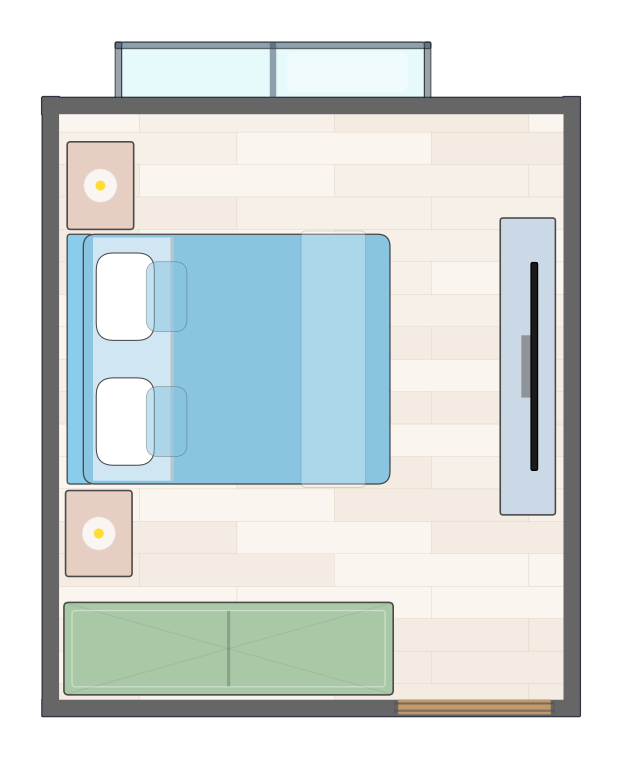
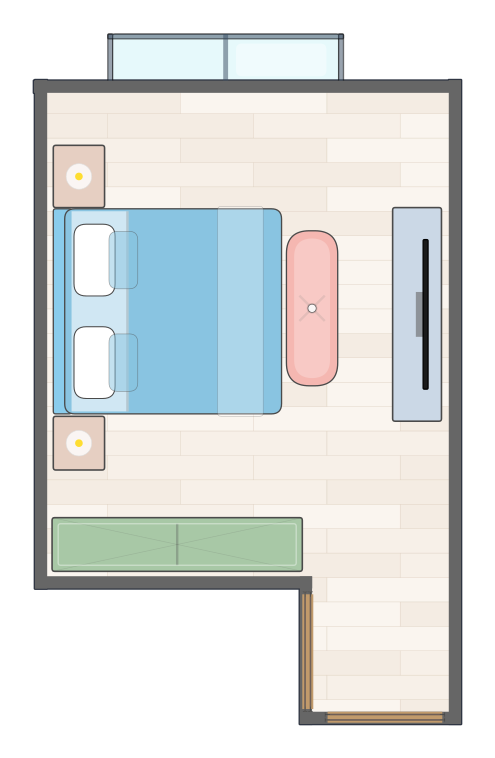
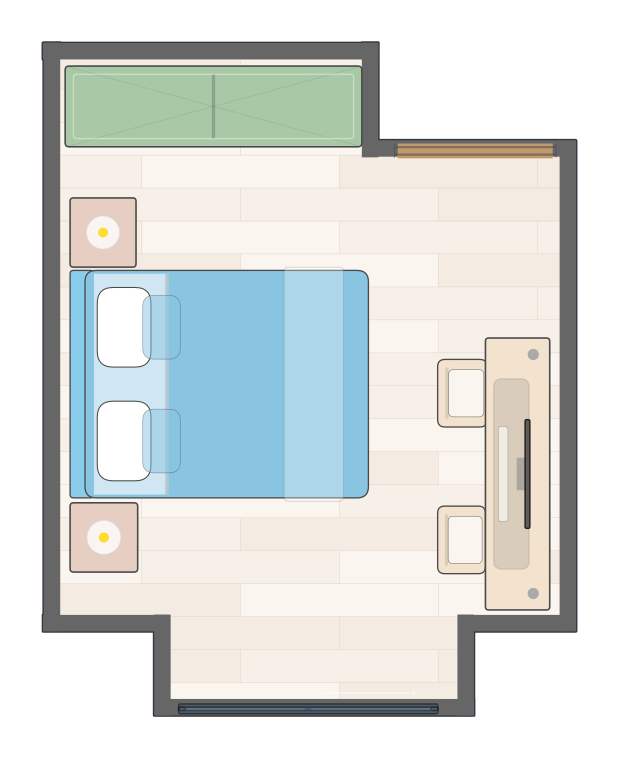
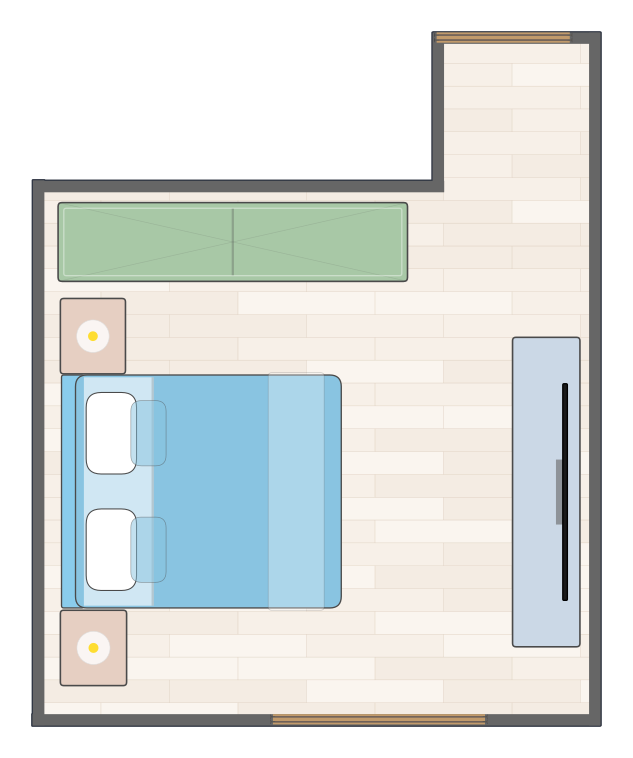
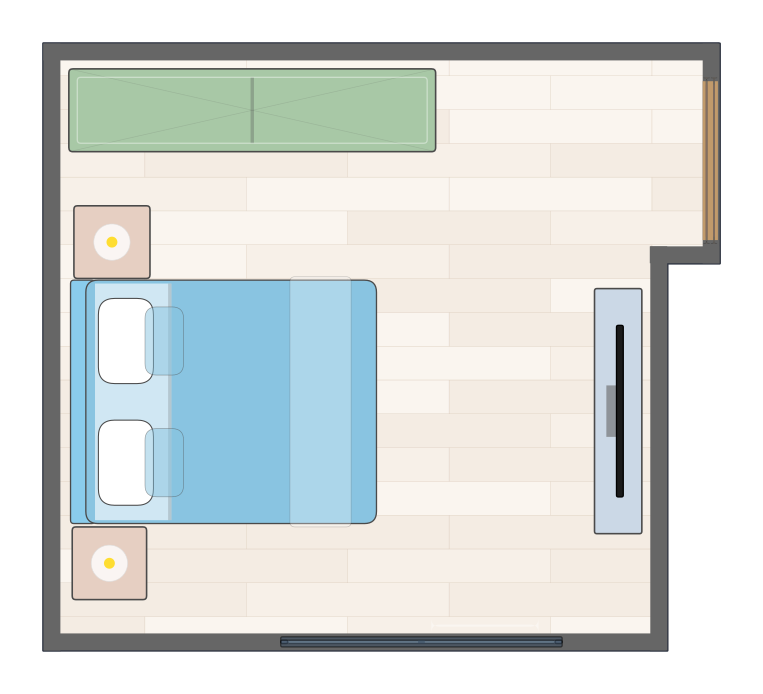
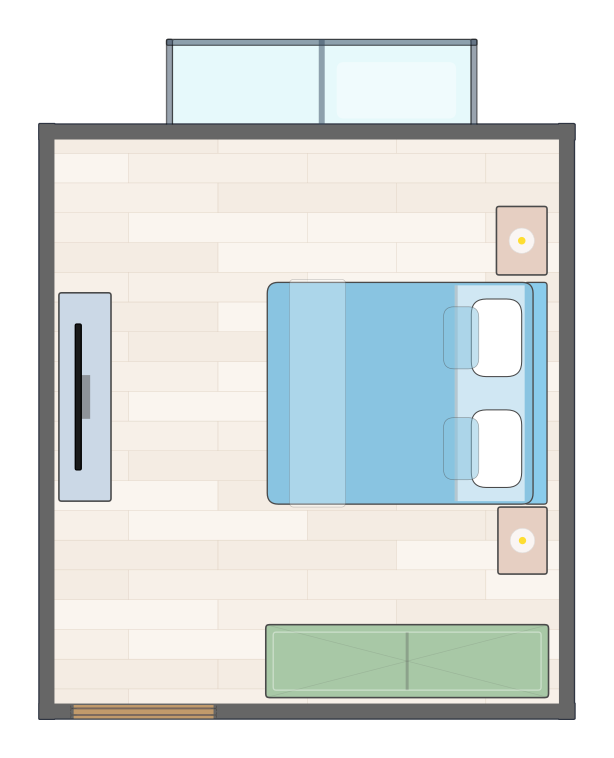
Bedroom